Continuous Glucose Monitoring for Prediabetes: A Pediatric Endocrinologist's Guide
Understanding How a CGM Can Help Families Make Better Decisions About Metabolic Health
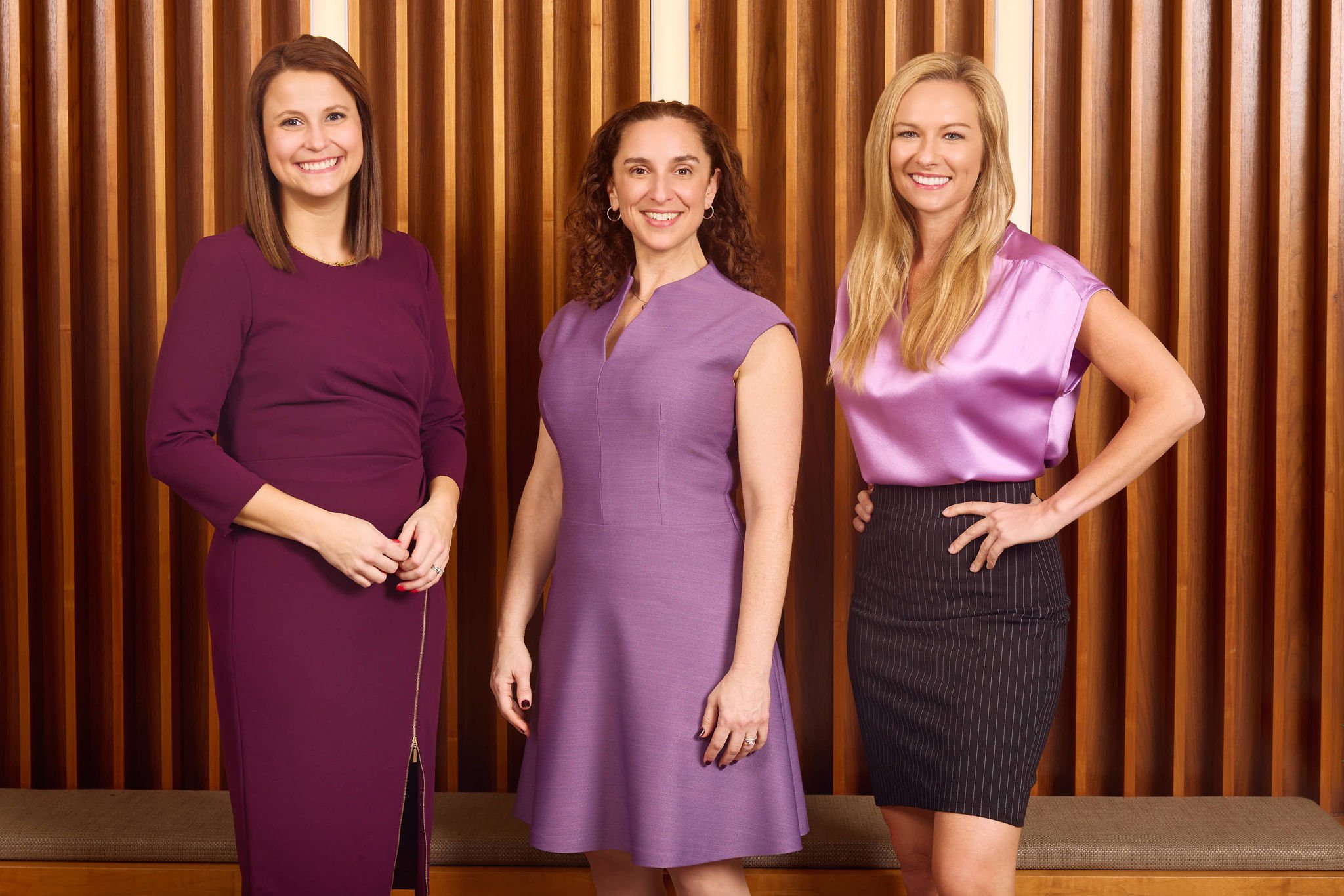
Author: Dr. Natalie Hernandez, Pediatric Endocrinologist & Metabolic and Obesity Medicine Specialist. Dr. Toni Kim, Pediatric Endocrinologist with over 20 years of experience.
Continuous Glucose Monitoring for Prediabetes: What Families Need to Know
Continuous glucose monitors (CGMs) have transformed diabetes care by allowing people to monitor glucose levels in real time without repeated fingersticks.
As these devices become more widely available, including over-the-counter options, many families are asking an important question:
Can a continuous glucose monitor help someone with prediabetes?
The answer is:
Possibly, but not in the way many people think.
At this time, the American Diabetes Association (ADA) does not recommend continuous glucose monitoring as a screening or diagnostic tool for prediabetes because there is currently insufficient evidence to support its routine use for that purpose.
Instead, the ADA continues to recommend:
- Fasting plasma glucose (FPG)
- Hemoglobin A1C
- A 2-hour oral glucose tolerance test (OGTT)
for diagnosing prediabetes and monitoring progression toward Type 2 diabetes.
However, that doesn't mean the story ends there.
Researchers are actively studying whether CGMs can serve as an educational and behavioral tool to help individuals better understand how nutrition, physical activity, sleep, stress, and daily habits influence glucose patterns and overall metabolic health.
For selected patients, this emerging role may become one of the most exciting developments in preventive metabolic medicine.
What Is a Continuous Glucose Monitor?
A continuous glucose monitor is a small wearable sensor that measures glucose levels in the fluid just beneath the skin throughout the day and night.
Unlike a traditional fingerstick, which provides only a single glucose value, a CGM collects hundreds of readings every day.
Many devices also display:
- Real-time glucose values
- Trend arrows showing whether glucose is rising or falling
- Daily glucose patterns
- Time spent within target glucose ranges
Rather than offering a snapshot, a CGM provides a movie of how glucose changes throughout daily life.
Can a CGM Diagnose Prediabetes?
No, not at this time.
Although research in this area is expanding rapidly, continuous glucose monitoring is not currently recommended for diagnosing prediabetes.
The 2026 American Diabetes Association Standards of Care state that there is presently insufficient evidence to support the use of CGMs for screening or diagnosing prediabetes.
Instead, physicians continue to rely on validated laboratory testing, including:
- Hemoglobin A1C
- Fasting plasma glucose
- Oral glucose tolerance testing when appropriate
These tests remain the standard for diagnosis because researchers have not yet established validated CGM thresholds that accurately define prediabetes.
Why Researchers Are Excited About CGMs for Prediabetes
Although CGMs are not currently part of standard prediabetes screening, emerging research suggests they may become valuable tools in the future.
Recent studies have shown that people with prediabetes often demonstrate glucose patterns that differ from individuals with normal glucose regulation, even when traditional laboratory tests appear similar.
Researchers have also found that CGM data may provide additional information beyond fasting glucose and A1C alone, helping physicians better understand glucose variability and day-to-day metabolic responses.
Perhaps most importantly, continuous glucose monitoring provides immediate feedback.
Instead of simply telling someone that healthier habits are important, a CGM allows them to observe how their own body responds after:
- Eating different meals
- Going for a walk
- Sleeping poorly
- Experiencing stress
- Exercising regularly
That type of personalized feedback has the potential to improve motivation and encourage sustainable lifestyle changes.
While larger studies are still needed, this educational role is one of the most promising areas of ongoing CGM research.
Continuous Glucose Monitoring Is Becoming a Metabolic Health Tool
One of the most exciting shifts in metabolic medicine is the growing recognition that a CGM can be much more than a diabetes device.
Rather than focusing only on glucose numbers, physicians are beginning to explore how CGMs can help patients understand the relationship between:
- Nutrition
- Physical activity
- Sleep
- Stress
- Insulin sensitivity
- Overall metabolic health
At LIFE Pediatric Endocrinology, we believe the greatest value of a CGM isn't simply collecting more data.
It's helping families better understand how everyday choices influence metabolism so they can build healthier habits for life.
That philosophy aligns with where the science is heading: using technology not just to treat disease—but to support earlier intervention, personalized education, and long-term metabolic wellness.
Who May Benefit From a CGM?
Continuous glucose monitoring is not appropriate or necessary for everyone with prediabetes.
For many individuals, healthy lifestyle changes and periodic laboratory testing remain the recommended approach.
However, in selected situations, a pediatric endocrinologist may recommend a CGM as part of a comprehensive evaluation or educational plan.
Potential candidates may include individuals with:
- Prediabetes
- Insulin resistance
- Obesity and metabolic dysfunction
- PMOS (formerly PCOS)
- A strong family history of Type 2 diabetes
- Difficulty understanding how lifestyle choices affect blood sugar
The decision to use a CGM should always be individualized and made in partnership with a healthcare professional.
What Can a CGM Actually Teach You?
One of the greatest strengths of continuous glucose monitoring is that it transforms abstract medical advice into personalized information.
Instead of hearing that "exercise is good," families can often see how a walk after dinner affects glucose levels.
Instead of wondering whether breakfast matters, they can observe how different meal choices influence blood sugar throughout the morning.
For many patients, this creates powerful learning opportunities.
A CGM may help families better understand:
How Different Foods Affect Glucose
Meals that appear similar may produce very different glucose responses.
Factors such as fiber, protein, portion size, and food combinations all influence how the body processes carbohydrates.
The Benefits of Physical Activity
Even light movement after meals may reduce post-meal glucose excursions in some individuals.
Watching those changes occur in real time can reinforce healthy habits.
The Importance of Sleep
Poor sleep has been associated with reduced insulin sensitivity and higher glucose levels.
Although many people underestimate its importance, sleep is one of the most powerful tools for supporting metabolic health.
How Stress Influences Blood Sugar
Emotional stress, illness, and even academic pressure can affect glucose regulation.
Understanding these patterns helps families appreciate that metabolism involves far more than food alone.
What a CGM Cannot Tell You
Although continuous glucose monitoring provides valuable information, it also has important limitations.
A CGM cannot:
- Diagnose prediabetes
- Replace laboratory testing
- Predict who will develop Type 2 diabetes
- Determine whether someone needs medication
- Replace clinical evaluation by a physician
Glucose is only one part of metabolic health.
Medical history, physical examination, laboratory testing, growth patterns, family history, and lifestyle all remain essential components of a comprehensive evaluation.
Are Over-the-Counter CGMs Worth It?
Recent FDA authorization of over-the-counter continuous glucose monitors has increased public interest in glucose tracking.
For some adults, these devices may provide helpful educational feedback.
For children and adolescents, however, families should be cautious about purchasing a CGM without discussing it with a pediatric endocrinologist.
Without proper interpretation, glucose data can become confusing, or even anxiety-provoking.
The goal should never be to chase "perfect" glucose numbers.
Instead, glucose data should be used to support healthy habits and guide meaningful conversations with your healthcare team.
Frequently Asked Questions (FAQ)
Can a CGM detect prediabetes?
No.
A continuous glucose monitor is not currently recommended for diagnosing prediabetes.
Diagnosis should be made using validated laboratory testing, including fasting plasma glucose, hemoglobin A1C, or an oral glucose tolerance test when appropriate.
Does insurance cover a CGM for prediabetes?
Coverage varies by insurance plan.
Because CGMs are generally approved and reimbursed for specific forms of diabetes, many patients with prediabetes may not have insurance coverage.
Families should discuss potential costs with their healthcare provider and insurance company before obtaining a device.
Can a CGM help prevent Type 2 diabetes?
Researchers are actively studying this question.
Early studies suggest that continuous glucose monitoring may encourage healthier lifestyle behaviors by providing real-time feedback.
However, there is currently insufficient evidence to conclude that CGM use alone prevents progression from prediabetes to Type 2 diabetes.
Is a CGM better than checking blood sugar with fingersticks?
They serve different purposes.
Fingerstick testing provides individual glucose readings, while a CGM reveals patterns and trends throughout the day.
For individuals using glucose monitoring, those patterns often provide far more useful information than isolated measurements.
The Bottom Line
Continuous glucose monitoring is changing how physicians think about metabolic health.
While CGMs are not currently recommended by the American Diabetes Association for diagnosing or routinely monitoring prediabetes, emerging research suggests they may become valuable educational tools for selected patients.
By helping families visualize how nutrition, movement, sleep, and stress influence glucose patterns, continuous glucose monitoring may support healthier behaviors and more personalized conversations about metabolic health.
Technology alone does not prevent diabetes.
Healthy habits do.
The greatest value of a CGM may be its ability to help people better understand the daily choices that support healthier metabolism and lifelong wellness.
Dr. Natalie Hernandez is a board-certified pediatric endocrinologist with advanced fellowship training in pediatric obesity medicine, metabolism, diabetes, and hormone health. She specializes in caring for children and adolescents with obesity, insulin resistance, prediabetes, PMOS (formerly PCOS), and other metabolic conditions using compassionate, evidence-based care.
As the physician leader of LIFE Pediatric Endocrinology's Confident Body Program, Dr. Hernandez believes that empowering families with knowledge is one of the most effective ways to improve long-term metabolic health.
References
- American Diabetes Association Professional Practice Committee. Standards of Care in Diabetes—2026: Diagnosis and Classification of Diabetes.
- American Diabetes Association Professional Practice Committee. Standards of Care in Diabetes—2026: Prevention or Delay of Diabetes and Associated Comorbidities.
- Zahalka SJ, et al. Continuous Glucose Monitoring for Prediabetes: Roles, Evidence, and Gaps. Endocrine Practice. 2025.
- Rákóczi G, et al. Differences in Continuous Glucose Monitoring Metrics Between Prediabetes and Normoglycemia: A Systematic Review and Meta-Analysis. Journal of Diabetes Science and Technology. 2026.
- Rákóczi G, et al. Continuous Glucose Monitoring for Prediabetes Classification in a Large Real-World Cohort. Diabetes Research and Clinical Practice. 2026.