Looking Beyond Weight to Build Lifelong Health, Confidence, and Well-Being
Last Medically Reviewed: June 2026
Author: Dr. Natalie Hernandez, Board-Certified Pediatric Endocrinologist & Metabolic and Obesity Medicine Specialist
Your Child's Future Is About More Than Weight
Every parent wants the same thing:
A child who is healthy, confident, energetic, and able to enjoy every stage of life.
When conversations about childhood obesity arise, it's understandable that many families immediately think about weight. But pediatric endocrinologists see something much bigger.
The real goal isn't simply helping a child lose weight.
The goal is improving metabolic health; the way the body produces energy, regulates hormones, responds to insulin, and supports healthy growth and development.
When a child's metabolism becomes healthier, the benefits often extend far beyond the number on the scale.
Children frequently experience improvements in their energy, confidence, sleep, physical activity, hormone balance, and long-term health.
That's why today's conversation about childhood obesity has shifted from focusing on appearance to focusing on overall metabolic wellness.
Metabolism Influences Nearly Every Part of a Child's Health
Metabolism isn't simply how quickly someone burns calories.
It is a complex system involving hormones, the brain, muscles, liver, pancreas, and other organs working together to provide the body with energy.
When metabolism becomes unhealthy, children may be at greater risk for:
- Insulin resistance
- Prediabetes
- PMOS (formerly PCOS)
- Type 2 diabetes
- Metabolic dysfunction-associated steatotic liver disease (MASLD)
- High cholesterol
- High blood pressure
- Sleep apnea
- Future cardiovascular disease
Many of these conditions develop gradually over several years.
The encouraging news is that early intervention can often improve a child's metabolic health before more serious complications develop.
Confidence Matters Just as Much as Laboratory Results
Children don't experience obesity only through laboratory values.
They experience it through everyday life.
Some children struggle to keep up during sports.
Others become self-conscious about participating in gym class or swimming.
Some experience teasing or bullying.
Others quietly lose confidence without anyone realizing how deeply they're struggling.
These experiences can influence emotional well-being, friendships, school performance, and overall quality of life.
Improving metabolic health isn't simply about preventing future disease.
It's also about helping children feel stronger, healthier, and more confident today.
A child who has more energy to play with friends, participate in sports, or enjoy family activities experiences benefits that extend well beyond medicine.
Small Changes Create Remarkable Long-Term Results
Parents often feel overwhelmed after hearing terms like insulin resistance or metabolic syndrome.
Fortunately, meaningful progress rarely requires perfection.
Instead, healthy metabolism develops through consistent daily habits practiced over months and years.
Examples include:
- Choosing water instead of sugary drinks more often
- Prioritizing family meals
- Encouraging regular movement
- Building healthy sleep routines
- Eating more protein and fiber
- Limiting highly processed foods without eliminating favorite treats
The goal isn't creating a perfect child.
The goal is helping children build habits they can realistically maintain throughout life.
Small improvements made consistently often produce remarkable long-term results.
Why Early Intervention Makes Such a Difference
One of the greatest advantages children have is time.
Their bodies are still growing.
Hormones are still developing.
Healthy habits established during childhood often continue into adulthood.
By identifying metabolic concerns early, families may reduce the risk of future complications while helping children develop healthier relationships with food, movement, and their own bodies.
Waiting until adulthood often means years of metabolic dysfunction have already occurred.
Addressing these concerns during childhood provides one of the greatest opportunities to change a person's lifelong health trajectory.
Healthy Habits That Support a Stronger Metabolism
Improving metabolic health doesn't require perfection.
It requires consistency.
Children don't need restrictive diets, exhausting workout routines, or unrealistic expectations. Instead, the greatest improvements often come from sustainable habits that families can maintain together over time.
Here are some of the most important ways to support a healthier metabolism.
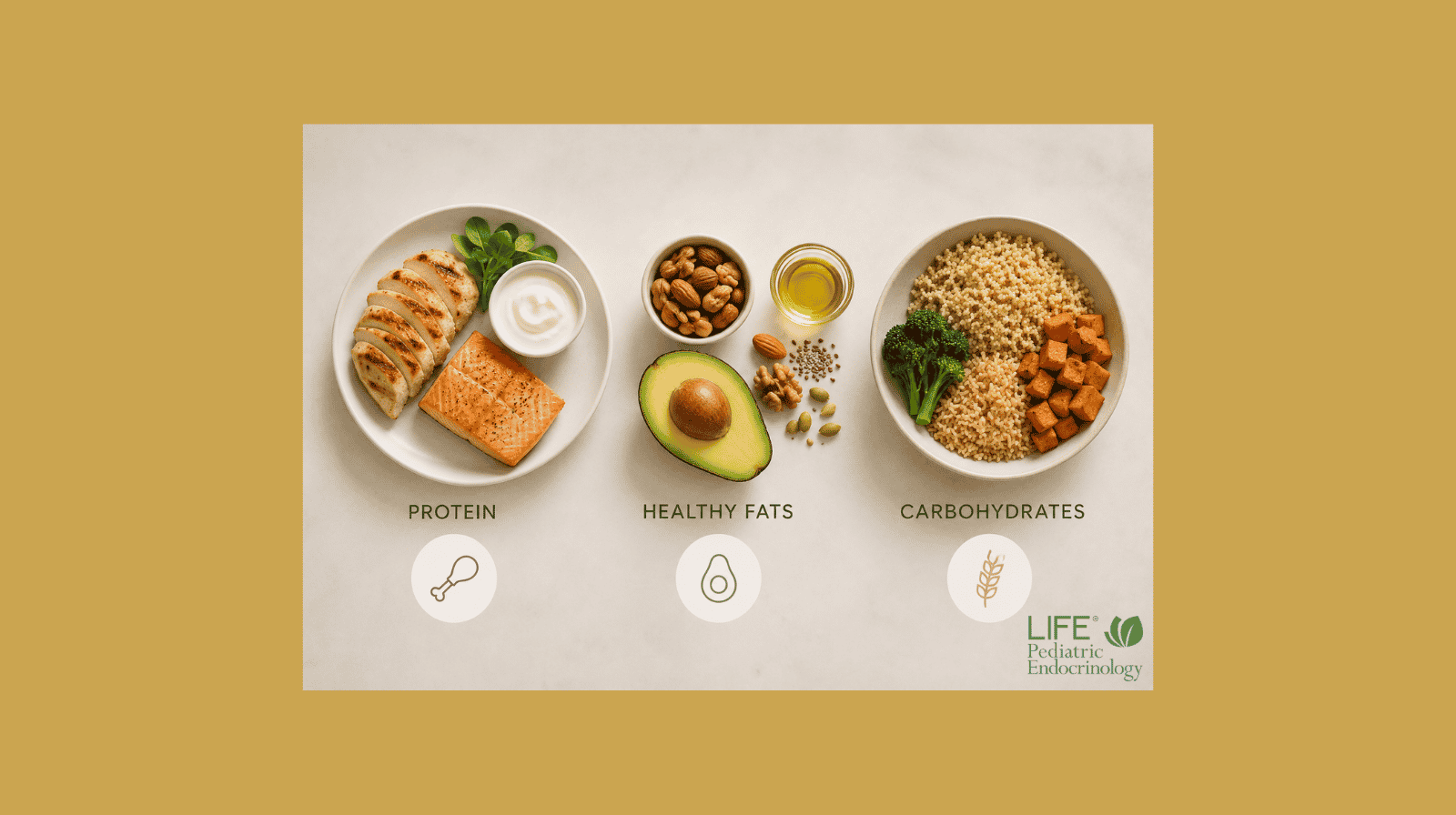
Prioritize Protein at Every Meal
Protein helps growing bodies build muscle, supports healthy growth, and keeps children feeling full longer after eating.
Including a quality source of protein with each meal may also help improve blood sugar regulation and reduce frequent snacking throughout the day.
Examples include:
- Eggs
- Greek yogurt
- Chicken
- Turkey
- Fish
- Lean beef
- Cottage cheese
- Beans and lentils
Encourage Movement That Children Enjoy
Exercise shouldn't feel like a punishment.
Children are far more likely to stay active when movement is enjoyable.
Whether it's swimming, soccer, dance, hiking, martial arts, biking, or simply playing outside, regular physical activity helps improve insulin sensitivity while supporting stronger muscles, healthier bones, and better cardiovascular health.
The goal is not creating elite athletes.
The goal is creating lifelong movers.
Make Sleep a Family Priority
Sleep is one of the most powerful, and most overlooked, tools for supporting metabolic health.
Poor sleep affects hormones involved in hunger, fullness, insulin sensitivity, and growth.
Simple habits can make a meaningful difference:
- Maintain a consistent bedtime.
- Limit screens before bed.
- Create a calm bedtime routine.
- Aim for age-appropriate sleep each night.
Children who sleep well often have more energy, better concentration, improved mood, and healthier metabolism.
Build Healthy Relationships With Food
Food should never become a source of guilt or shame.
Instead of labeling foods as "good" or "bad," families should focus on creating balanced eating patterns that children can maintain for years, not weeks.
Healthy nutrition includes room for celebrations, birthdays, holidays, and favorite foods.
Long-term success comes from learning balance rather than chasing perfection.
Every Child's Biology Is Different
One of the biggest misconceptions surrounding childhood obesity is that every child should respond the same way to the same nutrition or exercise plan.
That's simply not how metabolism works.
Some children develop insulin resistance early.
Others have underlying hormone conditions.
Some have strong genetic risk factors.
Others may be affected by puberty, medications, sleep disorders, or medical conditions such as PMOS (formerly PCOS).
This is why personalized medical care matters.
When physicians understand the biological factors influencing a child's metabolism, treatment can be tailored to the child's unique needs instead of relying on generic advice.
The Goal Isn't a Smaller Child. It's a Healthier One
Parents often arrive at their first appointment worried about one number:
The number on the scale.
While weight can be one important measure of health, it tells only part of the story.
Children deserve care that looks beyond weight alone.
Improving metabolic health may lead to:
- Increased energy
- Better sleep
- Improved insulin sensitivity
- Healthier hormone balance
- Greater self-confidence
- Reduced future disease risk
- Improved quality of life
Those are the outcomes that truly matter.
Because healthier children don't just weigh differently.
They live differently.
Why Physician-Led Care Makes a Difference
The internet offers thousands of nutrition plans, exercise programs, and social media influencers promising quick results.
Unfortunately, metabolism is rarely that simple.
Children with obesity or insulin resistance may have underlying medical conditions that require evaluation before beginning treatment.
A pediatric endocrinologist can identify hormone disorders, insulin resistance, PMOS, prediabetes, thyroid conditions, and other metabolic concerns that may influence a child's health.
Most importantly, physician-led care helps families develop a plan that is safe, evidence-based, and individualized for their child's stage of growth and development.
At LIFE Pediatric Endocrinology, our philosophy is simple:
Treat the child, not just the condition.
By understanding the biology behind metabolism, we can help families build healthier futures with confidence, compassion, and personalized care.
Frequently Asked Questions (FAQ)
Is childhood obesity always caused by unhealthy eating?
No.
Childhood obesity is a complex chronic medical condition influenced by genetics, hormones, metabolism, sleep, physical activity, nutrition, medications, and environmental factors.
While healthy eating is an important part of treatment, many children have underlying biological factors that also contribute to weight gain and metabolic health.
Can improving metabolic health reduce the risk of future disease?
Yes.
Improving metabolic health during childhood may help reduce the risk of developing:
- Insulin resistance
- Prediabetes
- Type 2 diabetes
- PMOS (formerly PCOS)
- High blood pressure
- High cholesterol
- Metabolic dysfunction-associated steatotic liver disease (MASLD)
- Future cardiovascular disease
Early intervention offers children the greatest opportunity for lifelong health.
Does every child with obesity need medication?
No.
Many children improve with personalized nutrition, increased physical activity, healthier sleep habits, and ongoing physician guidance.
For some children, medications such as GLP-1 therapies or metformin may be appropriate, but treatment decisions should always be individualized based on the child's medical history, metabolic health, and overall goals.
When should parents seek help?
Parents should consider speaking with a pediatric endocrinologist if their child is experiencing:
- Rapid or unexplained weight gain
- Difficulty maintaining a healthy weight despite lifestyle changes
- Insulin resistance or prediabetes
- PMOS (formerly PCOS)
- Elevated cholesterol or liver enzymes
- High blood pressure
- A strong family history of Type 2 diabetes or metabolic disease
Early evaluation often leads to earlier intervention, and better long-term outcomes.
The Bottom Line
Every child deserves the opportunity to grow into a healthy, confident adult.
Improving metabolic health isn't about achieving perfection or chasing a number on the scale.
It's about giving children the tools, support, and medical care they need to thrive—today and for decades to come.
Healthy metabolism influences energy, hormone balance, confidence, growth, and long-term wellness.
When families focus on building healthier habits early, small changes made consistently can create remarkable lifelong benefits.
The greatest investment you can make in your child's future isn't simply helping them lose weight.
It's helping them build a healthier metabolism.
Discover the Confident Body Program
At LIFE Pediatric Endocrinology, we believe every child deserves personalized, physician-led metabolic care that looks beyond the number on the scale.
The Confident Body Program was created to help children and adolescents with obesity, insulin resistance, prediabetes, PMOS (formerly PCOS), and other metabolic conditions through compassionate, evidence-based care.
Our program combines:
- Comprehensive metabolic evaluation
- Personalized nutrition guidance
- Exercise and movement coaching
- Behavioral support
- Hormone evaluation when appropriate
- Evidence-based medications, including GLP-1 therapies when medically indicated
- Ongoing physician follow-up through our concierge care model
Our goal isn't simply weight management.
Our goal is helping children build healthier metabolism, greater confidence, and lifelong wellness.
If you're looking for a personalized approach to your child's metabolic health, learn more about the Confident Body Program or schedule a consultation with our team.
About Dr. Natalie Hernandez
Dr. Natalie Hernandez is a Board-Certified pediatric endocrinologist with advanced fellowship training in pediatric obesity medicine, metabolism, diabetes, and hormone health. She is board-certified in general pediatrics and board-eligible in pediatric endocrinology, with specialized expertise in caring for children and adolescents with obesity, insulin resistance, PMOS (formerly PCOS), prediabetes, and other complex metabolic conditions.
As the physician leader of LIFE Pediatric Endocrinology's Confident Body Program, Dr. Hernandez combines evidence-based metabolic medicine with pediatric endocrinology, nutrition, exercise physiology, and lifestyle interventions to help children achieve healthier metabolism and long-term wellness.
Her philosophy is simple:
Better metabolism creates healthier futures.
Through LIFE's concierge model, Dr. Hernandez partners closely with families to deliver highly personalized care focused on improving health, confidence, and quality of life.
Every Healthier Future Starts With One Conversation
Small changes made today can shape your child's health for years to come.
Whether your child is struggling with obesity, insulin resistance, PMOS (formerly PCOS), prediabetes, or you're simply looking for expert guidance, our team is here to help.
Meet with Dr. Natalie Hernandez and discover how personalized, evidence-based metabolic care can help your child thrive.
Schedule Your Consultation Today