What Is Hypothalamic Obesity? A Parent's Guide to Understanding This Rare Condition
By Natalie Hernandez, MD
Board-Certified Pediatric Endocrinologist & Metabolic and Obesity Specialist
What Is Hypothalamic Obesity?
When most people hear the word obesity, they think about diet, exercise, or genetics. But hypothalamic obesity is very different.
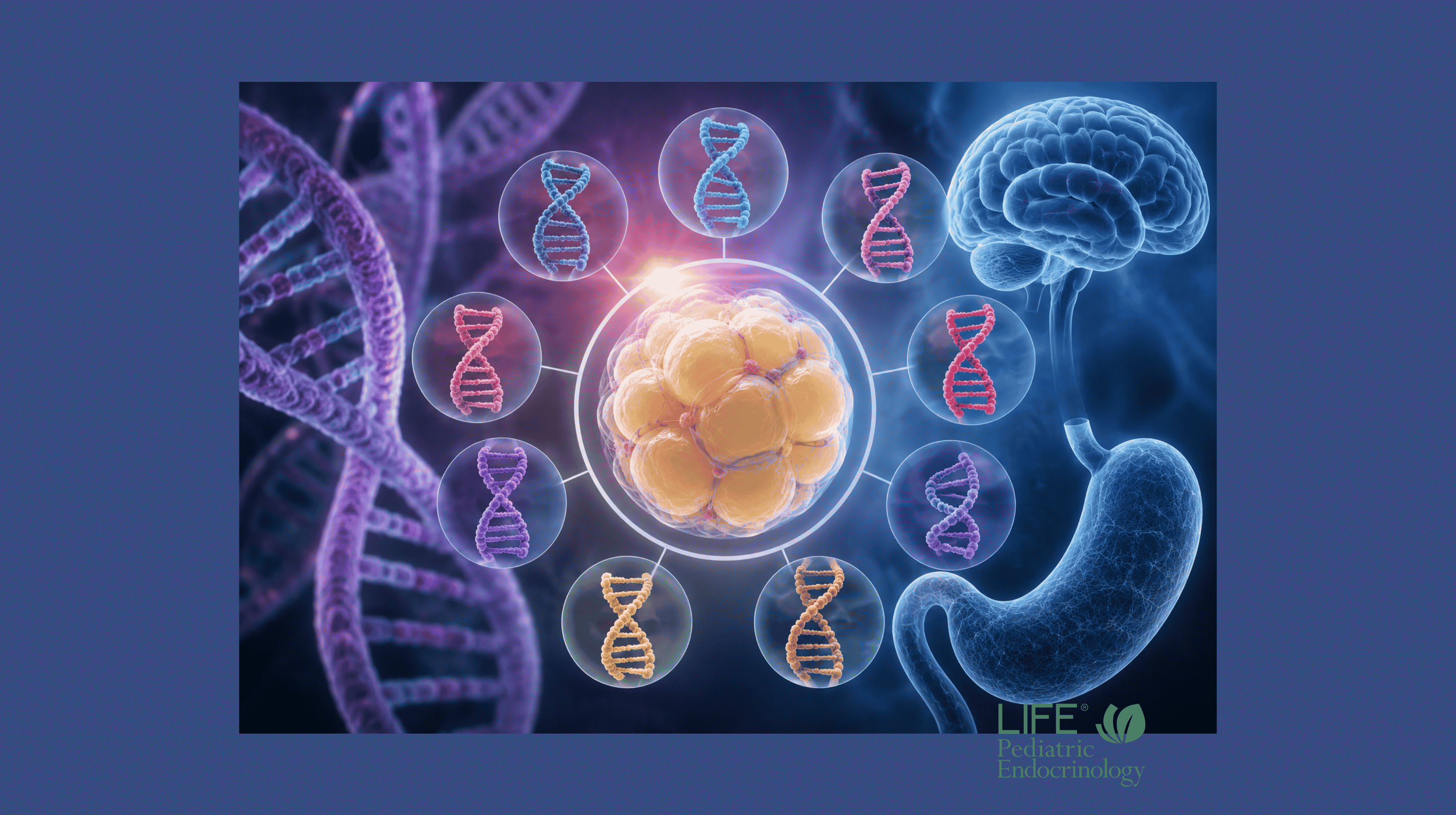
Hypothalamic obesity is a rare medical condition that develops after damage to a small area of the brain called the hypothalamus. Unlike common obesity, children and adults with hypothalamic obesity often gain weight despite eating similarly to others or following healthy lifestyle recommendations because the brain's normal system for regulating hunger, metabolism, and energy use has been disrupted.
For families, this can be incredibly frustrating. Many parents feel like their child is "doing everything right" but continues to gain weight rapidly.
The good news is that this is a recognized medical condition, and pediatric endocrinologists who specialize in obesity and metabolic disorders can help identify the cause and develop an individualized treatment plan.
What Does the Hypothalamus Do?
The hypothalamus is a small but incredibly important part of the brain.
It acts like the body's control center, helping regulate:
- Appetite and fullness
- Body weight
- Metabolism
- Energy expenditure
- Body temperature
- Sleep cycles
- Hormone production
- Thirst and fluid balance
Normally, the hypothalamus receives signals from hormones such as leptin and insulin that tell the brain when enough food has been eaten. It then adjusts hunger, metabolism, and calorie burning to keep body weight relatively stable.
When the hypothalamus becomes damaged, these signals no longer work properly.
What Causes Hypothalamic Obesity?
The most common cause of hypothalamic obesity is treatment for a brain tumor called a craniopharyngioma.
Weight gain may occur because of:
- The tumor itself pressing on the hypothalamus
- Brain surgery
- Radiation therapy
Other less common causes include:
- Traumatic brain injury
- Brain infections
- Inflammatory disorders
- Congenital brain malformations
- Vascular abnormalities affecting the hypothalamus
Although these conditions are uncommon, they can permanently affect how the brain regulates body weight.
Why Does Hypothalamic Obesity Cause Rapid Weight Gain?
One of the biggest misconceptions is that children with hypothalamic obesity simply eat too much.
In reality, several biological changes occur simultaneously.
The damaged hypothalamus may cause:
- Constant hunger that doesn't improve after eating
- Difficulty recognizing fullness
- A slower metabolism
- Lower resting energy expenditure
- Increased insulin production
- Reduced calorie burning
- Fatigue that decreases physical activity
- Sleep disturbances that further affect metabolism
Because these changes occur together, children may gain weight extremely quickly—even when families are making healthy food choices.
This is why hypothalamic obesity is considered a medical disease, not simply a lifestyle issue.
What Are the Symptoms of Hypothalamic Obesity?
Symptoms often begin within the first year after hypothalamic injury.
Parents may notice:
- Rapid weight gain over weeks or months
- Constant hunger
- Difficulty feeling full after meals
- Increased food-seeking behaviors
- Daytime sleepiness
- Fatigue
- Low energy
- Changes in body temperature regulation
- Sleep disturbances
- Hormone deficiencies
- Excessive thirst or urination (in some children)
Many children also develop additional endocrine conditions depending on the location of the injury.
How Is Hypothalamic Obesity Diagnosed?
There isn't a single blood test that diagnoses hypothalamic obesity.
Instead, pediatric endocrinologists combine several pieces of information, including:
Medical History
A history of:
- Craniopharyngioma
- Brain tumor surgery
- Radiation treatment
- Brain injury
- Hypothalamic damage
MRI Findings
Brain imaging often shows injury involving the hypothalamus.
Weight Changes
One of the hallmark findings is rapid, significant weight gain, especially during the first year after hypothalamic injury.
Endocrine Evaluation
Children often require testing for:
- Growth hormone deficiency
- Thyroid hormone deficiency
- Adrenal insufficiency
- Diabetes insipidus
- Delayed or abnormal puberty
Your child's endocrinologist may also screen for complications such as:
- Prediabetes or type 2 diabetes
- Fatty liver disease
- Elevated cholesterol
- Sleep disorders
Is Hypothalamic Obesity Different From Common Childhood Obesity?
Yes.
This is one of the most important concepts for families to understand.
Most childhood obesity develops from a combination of:
- Genetics
- Nutrition
- Physical activity
- Sleep
- Environmental factors
Hypothalamic obesity occurs because the brain's weight-regulating center has been physically injured.
That distinction changes both the diagnosis and treatment approach.
Traditional advice like "eat less and exercise more" is usually not enough because the body's metabolism is no longer responding normally.
How Is Hypothalamic Obesity Treated?
Unfortunately, hypothalamic obesity remains one of the most difficult forms of obesity to treat.
However, new therapies are providing hope.
Lifestyle Changes
Healthy nutrition, physical activity, sleep optimization, and behavioral support remain important.
Although lifestyle interventions alone are often insufficient, they still play an essential role in long-term health.
Medications
Several medications may be considered depending on the child's medical history.
These may include:
- GLP-1 receptor agonists (such as semaglutide)
- Stimulant medications in select patients
- Other medications that help improve metabolism or appetite regulation
Response varies considerably from patient to patient. You can read more about GLP-1 medication.
Emerging Therapies
One of the most exciting developments is setmelanotide, a medication that targets the melanocortin pathway involved in appetite regulation.
Recent clinical trials have shown encouraging results in patients with acquired hypothalamic obesity. While research continues, many pediatric endocrinologists are optimistic about future treatment options.
Comprehensive Endocrine Care
Many children require treatment for additional hormone deficiencies alongside obesity management.
Successful care often involves a multidisciplinary team including:
- Pediatric endocrinologists
- Registered dietitians
- Behavioral health specialists
- Sleep medicine providers
- Physical therapists when appropriate
Why Early Diagnosis Matters
The most rapid weight gain often occurs during the first 12 months after hypothalamic injury.
Recognizing the condition early allows families to:
- Begin treatment sooner
- Screen for hormone deficiencies
- Monitor for diabetes and fatty liver disease
- Discuss medication options earlier
- Develop realistic expectations about weight management
Early intervention cannot always prevent hypothalamic obesity, but it may help reduce long-term complications.
Frequently Asked Questions (FAQ)
What is hypothalamic obesity?
Hypothalamic obesity is a rare condition caused by damage to the hypothalamus, the part of the brain responsible for regulating hunger, metabolism, and energy balance. It often leads to rapid weight gain that is difficult to control with diet and exercise alone.
What causes hypothalamic obesity?
The most common cause is damage from a craniopharyngioma or treatment for that tumor, including surgery or radiation. Other causes include traumatic brain injury, infections, congenital brain abnormalities, and inflammatory diseases.
Can hypothalamic obesity be reversed?
Currently, there is no cure for hypothalamic obesity. However, medications, nutritional support, hormone replacement when needed, and specialized endocrine care can help improve health outcomes and quality of life.
Why is it so hard to lose weight with hypothalamic obesity?
Damage to the hypothalamus changes how the body regulates hunger, fullness, metabolism, and calorie burning. Because the body's normal weight-control system is disrupted, traditional weight loss strategies are often much less effective.
Should my child see a pediatric endocrinologist?
Yes. If your child has experienced rapid weight gain following brain surgery, radiation, a craniopharyngioma, or another hypothalamic injury, evaluation by a pediatric endocrinologist is recommended.
When to Seek Expert Care
If your child has experienced rapid weight gain after brain surgery, radiation therapy, or another injury affecting the hypothalamus, don't assume it's simply related to eating habits.
Hypothalamic obesity is a complex medical condition that deserves specialized evaluation and treatment.
At LIFE Pediatric Endocrinology, our physicians specialize in pediatric obesity, hormone disorders, and complex endocrine conditions. We take time to understand the whole picture, evaluate underlying hormonal changes, and create individualized treatment plans for every family.
If you're looking for answers, we're here to help. Schedule a consultation with our team to discuss whether hypothalamic obesity or another endocrine condition may be contributing to your child's weight changes.
References
- Shoemaker AH, Tamaroff J. Approach to the Patient With Hypothalamic Obesity. Journal of Clinical Endocrinology & Metabolism. 2023.
- Roth CL, McCormack SE. Acquired Hypothalamic Obesity: A Clinical Overview and Update. Diabetes, Obesity & Metabolism. 2024.
- Argente J, Farooqi IS, Chowen JA, et al. Hypothalamic Obesity: From Basic Mechanisms to Clinical Perspectives. The Lancet Diabetes & Endocrinology. 2025.
- Müller HL, Tanaka T, Hasegawa T, et al. Diagnostic Criteria for Acquired Hypothalamic Obesity. Endocrine Journal. 2025.
- Miller JL, van Santen HM, Phillips SA, et al. Setmelanotide for the Treatment of Acquired Hypothalamic Obesity. New England Journal of Medicine. 2026.