---
title: About Dr. Natalie Hernandez
description: Dr. Natalie Hernandez, concierge pediatric endocrinologist treating obesity, insulin resistance, PMOS, POTS & MCAS — nationwide via telemedicine.
---
[](https://lifeendo.com?hsLang=en)
[](https://lifeendo.com?hsLang=en)
- [About](https://lifeendo.com/about)
- [Meet Your Providers](https://lifeendo.com/about)
- [Locations](https://lifeendo.com/locations)
- [FAQ](https://lifeendo.com/faq)
- Services
### General Endocrine Care
- - Early Puberty
-
- Poor Growth
-
- Thyroid Problems
- - Type 1 Diabetes
-
- Adrenal insufficiency
-
- Congenital Adrenal Hyperplasia
[Medical Weight Loss](https://lifeendo.com/medical-weight-loss)
- [Blog](https://lifeendo.com/blog)
- [Patients](https://lifeendo.com/patients)
- [Store](https://lifeendo.com/redirecting-to-supplement-store)
[Inquire Here](https://lifeendo.com/contact?hsLang=en)
[Inquire Here](https://lifeendo.com/contact?hsLang=en)
- [About](https://lifeendo.com/about)
- [Locations](https://lifeendo.com/locations)
- [Medical Weight Loss](https://lifeendo.com/medical-weight-loss)
- [FAQ](https://lifeendo.com/faq)
- [Blog](https://lifeendo.com/blog)
- [Patients](https://lifeendo.com/patients)
- [Store](https://lifeendo.com/redirecting-to-supplement-store)
[Inquire Here](https://lifeendo.com/contact?hsLang=en)
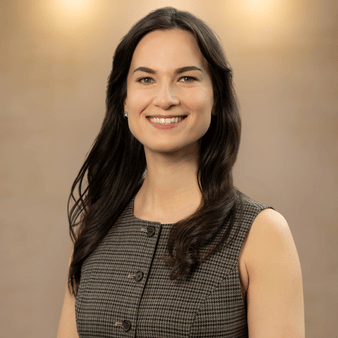
# Dr. Natalie Hernandez
# Pediatric Endocrinologist
Helping Families Understand Their Child's Health—Not Just Treat Their Symptoms.
Some children gain weight despite eating well and staying active. Some develop insulin resistance long before diabetes ever appears. Some struggle with irregular menstrual cycles, fatigue, or metabolic changes that don't seem to make sense. Parents often know something isn't quite right long before laboratory values tell the full story.
Dr. Natalie Hernandez believes every child deserves more than a diagnosis. **They deserve an explanation.**
As a pediatric endocrinologist, Dr. Hernandez specializes in understanding the complex relationship between hormones, metabolism, genetics, growth, and development. Rather than focusing on a single symptom or laboratory result, she works to understand how a child's entire endocrine system is functioning—and why. That philosophy is central to LIFE Pediatric Endocrinology.
Children are not simply growth charts. They are not simply body mass index (BMI), insulin levels, or hemoglobin A1C values. Every child brings a unique combination of genetics, hormones, nutrition, sleep, physical activity, family history, medications, emotional health, and developmental changes that influence how their body grows and functions. Understanding those interactions allows treatment to become individualized rather than standardized.
It is this thoughtful, relationship-centered approach that led Dr. Hernandez to join LIFE Pediatric Endocrinology, where she serves as the physician leader of the Confident Body Program, helping children and adolescents with obesity, insulin resistance, PMOS (polyendocrine metabolic ovarian syndrome, formerly known as PCOS), Type 2 diabetes, and other metabolic conditions receive comprehensive physician-led care designed specifically for them.
For Dr. Hernandez, every appointment begins with the same question: *"Why is this child's body responding this way?"* Finding that answer often changes everything.
---
## At a Glance
**Specialty**
Pediatric Endocrinology
**Primary Clinical Focus**
Pediatric Obesity Medicine
**Areas of Clinical Expertise**
- Pediatric obesity
- Insulin resistance
- Prediabetes
- Type 2 diabetes
- PMOS (Polyendocrine Metabolic Ovarian Syndrome) — Formerly PCOS
- GLP-1 therapies
- Metabolic syndrome
- Childhood nutrition and metabolic health
**Also Evaluates**
As a fellowship-trained pediatric endocrinologist, Dr. Hernandez also evaluates children with growth concerns, puberty disorders, thyroid disease, Type 1 diabetes, adrenal disorders, pituitary disorders, and other pediatric endocrine conditions when comprehensive endocrine evaluation is needed.
**Board Status**
Board-Certified in Pediatrics
**Languages**
English, Spanish (Native Speaker)
---
## Where Dr. Hernandez Sees Patients
Because most care at LIFE happens through telemedicine, Dr. Hernandez is accessible to families nationwide — not just those near a physical office. She holds in-person and telemedicine hours at LIFE's [Sandy Springs, Georgia location](https://share.google/zUdt9rqYERhyLcCMA), and sees families in person and by telemedicine across LIFE's growing network, including:
- **Georgia** — [Atlanta](https://lifeendo.com/blog/top-pediatric-endocrinologists-in-atlanta-buckhead-alpharetta?hsLang=en) · [map](https://share.google/zUdt9rqYERhyLcCMA)
- **Texas** — [Austin](https://share.google/1r3HQBfxBCS4mFE7j), Houston, Dallas
- **Tennessee** — [Nashville / Brentwood](https://lifeendo.com/blog/top-pediatric-endocrinologists-in-brentwood-franklin-nashville?hsLang=en) · [map](https://share.google/gn6vnHOnjAxN4N97j)
- **Florida** — Miami
- **California** — [Los Angeles / Beverly Hills](https://lifeendo.com/blog/top-pediatric-endocrinologists-in-beverly-hills-los-angeles?hsLang=en) · [map](https://share.google/JdAAM0O4kgR7i7UIs), [Newport Beach](https://lifeendo.com/blog/top-pediatric-endocrinologists-in-newport-beach-orange-county?hsLang=en) · [map](https://share.google/p0IOI8UhNnjcxwZnt), Atherton
Telemedicine extends LIFE's reach well beyond these areas. Appointment availability and format (in-person or telemedicine) vary by location — see LIFE's [full list of offices](https://lifeendo.com/locations?hsLang=en) for addresses and directions.
---
## Why Families Choose Dr. Hernandez
Families rarely seek a pediatric endocrinologist because they want another opinion. More often, they are looking for an explanation.
Many parents arrive at LIFE Pediatric Endocrinology after months, or even years, of unanswered questions. Why is my child gaining weight despite healthy habits? Why do the laboratory results seem "normal" when my child clearly isn't? Is insulin resistance already affecting my child's health? Why are menstrual cycles becoming irregular? Is puberty influencing metabolism? Could hormones be playing a larger role than we've been told?
**Dr. Hernandez believes these questions deserve thoughtful answers—not assumptions.** She takes time to understand each child's complete medical story, recognizing that hormone disorders and metabolic conditions rarely exist in isolation. Genetics, sleep, nutrition, activity, family history, medications, emotional health, and normal developmental changes all influence endocrine function. Rather than focusing on a single number or laboratory value, she helps families understand how these factors interact so they can make informed decisions together.
For many families, that understanding is the first step toward lasting progress.
---
## Why We Look Deeper
At LIFE Pediatric Endocrinology, we believe excellent pediatric endocrine care begins long before a prescription is written. It begins with listening. Listening carefully to a family's concerns. Looking thoughtfully at patterns that may have developed over months or years. Connecting information that may seem unrelated at first glance.
Dr. Hernandez approaches every child with the understanding that obesity, insulin resistance, metabolic syndrome, and related hormone conditions are complex medical disorders—**not reflections of motivation, willpower, or parenting.** Scientific research continues to demonstrate that genetics, hormones, sleep, stress, medications, nutrition, physical activity, and environmental influences all contribute to metabolic health. Because every child is different, every treatment plan should be different. That philosophy guides every recommendation she makes.
Whether treatment involves education, nutritional changes, increased physical activity, continuous glucose monitoring, medication, GLP-1 therapy, or ongoing physician follow-up, the goal remains the same: help families understand why, then build a plan together that is realistic, evidence-based, and designed for long-term success.
---
## Clinical Areas of Expertise
Dr. Hernandez's clinical practice is centered on one of the fastest growing, and most misunderstood, areas of pediatric medicine: metabolic health. While many people associate metabolism simply with weight, metabolism encompasses how the body regulates energy, blood sugar, hormones, growth, puberty, and long-term health. When these systems become disrupted, children may experience changes that extend far beyond the number on a scale.
Her primary areas of clinical expertise include:
- Pediatric obesity
- Pediatric obesity medicine
- Insulin resistance
- Prediabetes
- Type 2 diabetes
- PMOS (Polyendocrine Metabolic Ovarian Syndrome) — Formerly PCOS
- Metabolic syndrome
- GLP-1 medications for adolescents, when clinically appropriate
- Childhood nutrition and metabolic health
As a pediatric endocrinologist, Dr. Hernandez also evaluates children with growth concerns, puberty disorders, thyroid disease, Type 1 diabetes, adrenal disorders, pituitary disorders, and other pediatric endocrine conditions. However, her primary clinical focus within LIFE Pediatric Endocrinology is helping children and adolescents with obesity and metabolic disease receive comprehensive, physician-led endocrine care.
---
## Conditions Commonly Evaluated
### Pediatric Obesity
Weight gain in children is rarely explained by a single factor. Dr. Hernandez evaluates the hormonal, metabolic, genetic, nutritional, developmental, and lifestyle influences that may contribute to obesity while developing realistic, long-term treatment plans tailored to each child.
### Insulin Resistance
Insulin resistance often develops years before Type 2 diabetes and **may be present even when routine blood sugar testing appears normal.** Dr. Hernandez evaluates children with signs and symptoms of insulin resistance, including elevated fasting insulin, acanthosis nigricans, family history of diabetes, abnormal weight gain, and metabolic risk factors.
### Prediabetes & Type 2 Diabetes
Early diagnosis creates opportunities to slow, or sometimes prevent, the progression of metabolic disease. Dr. Hernandez partners with families to understand why blood sugar changes are occurring and develops individualized treatment plans that may include nutrition, physical activity, continuous glucose monitoring, medication, and ongoing physician follow-up.
### PMOS (Polyendocrine Metabolic Ovarian Syndrome) — Formerly PCOS
In 2026, **the condition long known as PCOS was formally renamed polyendocrine metabolic ovarian syndrome (PMOS)** through an international consensus process published in *The Lancet*, developed with input from dozens of medical societies and thousands of patients worldwide. The new name reflects what specialists have understood for years: this isn't primarily an ovarian condition — it's a whole-body disorder involving insulin resistance, metabolism, genetics, and hormonal regulation.
LIFE Pediatric Endocrinology has adopted this updated terminology, and Dr. Hernandez evaluates adolescents for PMOS (formerly called PCOS) through that broader lens, rather than treating irregular periods, acne, or excess hair growth as isolated symptoms.
### GLP-1 Therapy
GLP-1 medications have transformed obesity medicine, but **they are not appropriate for every child.** Dr. Hernandez believes these medications should be used thoughtfully, within a comprehensive treatment plan that includes physician oversight, nutrition, physical activity, behavioral support, and ongoing monitoring. Her role is not simply to prescribe medication—but to determine whether medication is the right tool for that individual child.
---
## The Confident Body Program
Dr. Hernandez serves as the physician leader of LIFE Pediatric Endocrinology's Confident Body Program, a comprehensive pediatric metabolic health program created specifically for children and adolescents.
The program was developed around a simple belief: **children deserve more than a prescription.** They deserve a physician who understands the biology behind their condition, a team that educates and supports the entire family, and a long-term plan that evolves as they grow.
Every child entering the Confident Body Program receives an individualized evaluation designed to identify the factors contributing to their metabolic health. Depending on each child's needs, that evaluation may include:
- Comprehensive endocrine assessment
- Growth and puberty evaluation
- Metabolic laboratory testing
- Nutrition assessment
- Body composition and lifestyle review
- Family history evaluation
- Continuous glucose monitoring when clinically appropriate
Treatment plans are individualized and may include:
- Physician-guided nutrition strategies
- Physical activity recommendations
- Sleep optimization
- Lifestyle coaching
- Metabolic monitoring
- GLP-1 medications, when appropriate
- Metformin therapy
- Ongoing physician follow-up
- Family education designed to support lifelong healthy habits
Throughout the program, Dr. Hernandez partners closely with families to help them understand not only what recommendations are being made—but why they matter. Because informed families make better long-term decisions.
---
## How Dr. Hernandez Evaluates Metabolic Health
Children rarely fit neatly into a diagnostic checklist. A child with rapid weight gain may also have insulin resistance. A teenager with irregular menstrual cycles may also have early metabolic dysfunction. Another child may have elevated fasting insulin despite maintaining a healthy body weight.
Rather than approaching these concerns individually, Dr. Hernandez evaluates how the endocrine system functions as a whole. Her evaluations consider: family history, growth patterns, puberty and developmental timing, hormonal regulation, blood sugar metabolism, nutrition, sleep, physical activity, medication history, psychosocial factors, and long-term cardiovascular and metabolic risk.
This comprehensive approach helps families better understand not only what is happening today, but how current health may influence future well-being.
---
## POTS, MCAS, and the Metabolic Connection
Dr. Hernandez cares for children and teens with postural orthostatic tachycardia syndrome (POTS), dysautonomia, and mast cell activation syndrome (MCAS) — conditions that frequently arrive together, and that frequently arrive at her office after a long stretch of normal test results.
These are not a departure from her metabolic work. They sit next to it.
The autonomic nervous system regulates heart rate and blood pressure, and it also regulates blood glucose, gut motility, and how the body handles fluid and salt. When that system is dysregulated, the effects rarely stay in one lane. Teens with POTS often have blood sugar swings, unpredictable appetite, GI symptoms, and profound fatigue that gets attributed to lifestyle. Mast cell mediators affect vascular tone, gut function, and inflammatory signaling — the same pathways involved in insulin resistance.
That overlap means these teens are frequently mismanaged in both directions. A teenager whose weight changed because of dysautonomia and food-triggered symptoms may be counseled about diet and exercise while the underlying autonomic problem goes unexamined. A teenager with insulin resistance and unexplained flushing may be treated for one and told the other is anxiety.
Dr. Hernandez's approach is to evaluate the whole picture:
- **Orthostatic testing done properly** — supine and standing heart rate and blood pressure at intervals, using the adolescent threshold of a 40-beat rise rather than the adult 30
- **Mast cell evaluation against consensus criteria** — a full episode history, tryptase timed to a flare and compared to that child's own baseline, and a structured treatment trial rather than a symptom checklist
- **Metabolic and endocrine workup** — thyroid function, iron studies, glucose and insulin, and the hormonal contributors that interact with autonomic symptoms
- **What travels with these conditions** — joint hypermobility, GI dysmotility, iron deficiency, and nutritional gaps that develop when eating becomes unpredictable
- **Nutrition as part of the medical visit** — Dr. Hernandez holds nutrition certification through NASM and Precision Nutrition, which matters here because food, salt, and fluid are treatment in POTS, not lifestyle advice
She is direct with families about what the evidence supports and what it does not, and she does not diagnose either condition from a symptom list. She also refers out when a situation calls for a different specialist — to a registered dietitian when nutrition needs cross into eating disorder or elite athletic territory, and to allergy, cardiology, or GI when the picture belongs there.
Many of these families arrive having been told for months that the symptoms are anxiety. The starting point is measuring what has not been measured.
---
## Education & Training
Dr. Hernandez's approach to patient care is grounded in rigorous academic training and shaped by a commitment to translating research into meaningful clinical care.
She earned her Bachelor of Science in Biomedical Sciences, with a minor in Business, from the University of Central Florida before receiving her Doctor of Medicine from Sidney Kimmel Medical College at Thomas Jefferson University. She then completed both her pediatric residency and pediatric endocrinology fellowship at [Duke University Hospital](https://pediatrics.duke.edu/personnel/natalie-hernandez-md), where she trained in the diagnosis and management of complex pediatric endocrine disorders.
During fellowship, Dr. Hernandez also served as a research associate in Duke's Division of Pediatric Endocrinology and Diabetes, studying how metabolomics may help identify the earliest biological signatures associated with insulin resistance and youth-onset Type 2 diabetes. Her work sought to better understand why some children develop metabolic disease earlier than others and how earlier identification could improve care.
While her academic training provided a strong scientific foundation, it also reinforced something she sees every day in clinical practice: **behind every laboratory value is a child. Behind every diagnosis is a family trying to make the best decisions possible.** Dr. Hernandez believes the role of a pediatric endocrinologist is not only to diagnose and treat disease, but also to help families understand it—so they can move forward with confidence.
### Advancing Pediatric Metabolic Medicine
Throughout her pediatric endocrinology fellowship at Duke University Hospital, Dr. Hernandez participated in research focused on one important question: can we identify metabolic disease earlier—before irreversible complications develop?
Working within Duke's Division of Pediatric Endocrinology and Diabetes, her research examined how metabolomics—the study of small molecules produced during normal metabolism—may reveal early biological changes associated with insulin resistance and youth-onset Type 2 diabetes. While research continues to evolve, Dr. Hernandez believes one principle remains constant: earlier understanding creates opportunities for earlier intervention. That philosophy continues to shape how she evaluates children today.
---
## Selected Research, Publications & National Presentations
**Peer-Reviewed Publications**
["Sex Differences in Branched-chain Amino Acid and Tryptophan Metabolism and Pathogenesis of Youth-onset Type 2 Diabetes"](https://dx.doi.org/10.1210/clinem/dgad708)
*The Journal of Clinical Endocrinology & Metabolism*, 109(4):e1345–e1358.
**National Scientific Presentations**
[ENDO 2022 — Oral Presentation](https://academic.oup.com/jes/article/6/Supplement_1/A614/6787147)
"Branched-chain Amino Acid and Tryptophan Metabolism and the Pathogenesis of Youth-onset Type 2 Diabetes Mellitus"
Pediatric Endocrine Society Annual Meeting – 2023, Poster Presentation
"Sex Differences in Branched-chain Amino Acid and Tryptophan Metabolism and Pathogenesis of Youth-onset Type 2 Diabetes"
Pediatric Endocrine Society Annual Meeting – 2024, Oral Presentation
"Metabolomic Signatures Associated with Insulin Resistance and Insulin Secretion in Non-Diabetic Youth"
---
## Leadership, Advocacy & Quality Improvement
At Duke University Hospital, Dr. Hernandez served as the pediatric representative on the Duke Glycemic Safety Committee, working alongside physicians, nurses, pharmacists, and hospital leaders to review insulin safety events, identify trends, and improve inpatient glycemic management for children.
Recognizing that language should never become a barrier to quality healthcare, she also led a quality improvement initiative focused on increasing MyChart engagement and improving communication for Spanish-speaking pediatric diabetes families. In addition, Dr. Hernandez served on Duke's Latinx Committee within the Division of Pediatric Endocrinology and Diabetes, collaborating with families, interpreters, social workers, and faculty to better understand and address the unique needs of Latino children living with endocrine disorders. As a native Spanish speaker, she enjoys caring for Spanish-speaking families directly.
---
## Why Pediatricians Refer to Dr. Hernandez
Dr. Hernandez partners closely with referring physicians by providing comprehensive endocrine assessments, clear communication, and individualized treatment recommendations while keeping the child's primary pediatrician informed throughout the course of care. She commonly evaluates referrals for pediatric obesity, insulin resistance, prediabetes, Type 2 diabetes, elevated fasting insulin, elevated hemoglobin A1C, acanthosis nigricans, dyslipidemia and elevated triglycerides, PMOS (PCOS) and adolescent menstrual irregularities, GLP-1 therapy consideration, and complex metabolic concerns.
---
## Frequently Asked Questions
**Does Dr. Hernandez specialize in pediatric obesity?**
**Yes.** Dr. Hernandez's primary clinical focus at LIFE Pediatric Endocrinology is pediatric obesity medicine and metabolic health. As a fellowship-trained pediatric endocrinologist, she also evaluates the full spectrum of pediatric endocrine disorders.
**Is childhood obesity really a medical condition?**
**Yes.** Genetics, hormones, metabolism, sleep, medications, puberty, physical activity, nutrition, emotional health, and environmental influences all affect how a child's body regulates weight and energy. Dr. Hernandez believes understanding these biological factors allows families to move beyond blame and toward evidence-based treatment plans designed specifically for their child.
**What is insulin resistance?**
Insulin resistance occurs when the body's cells become less responsive to insulin, making it more difficult to move glucose from the bloodstream into cells where it can be used for energy. Not every child with insulin resistance develops diabetes, but identifying it early creates opportunities to improve long-term health.
**Can my child have insulin resistance even if they are not overweight?**
**Yes.** Children with a normal body weight may also develop insulin resistance because of genetics, puberty, hormonal conditions, family history, medications, or other metabolic factors.
**What Is PMOS? (Formerly Called PCOS)**
At LIFE Pediatric Endocrinology, Dr. Hernandez uses PMOS (polyendocrine metabolic ovarian syndrome) — the term formally adopted worldwide in 2026 to replace PCOS — to reflect the broader hormonal and metabolic processes contributing to ovarian dysfunction in adolescents. Rather than viewing irregular menstrual cycles, acne, unwanted hair growth, or elevated testosterone as isolated ovarian problems, PMOS recognizes the complex interaction between insulin resistance, hormonal regulation, genetics, metabolism, inflammation, and puberty.
**Can My Daughter Have PMOS (PCOS) If She Isn't Overweight?**
**Yes.** Many adolescents with PMOS have a normal body weight. Hormonal regulation, genetics, puberty, and other endocrine factors all contribute to the condition.
**When are GLP-1 medications appropriate?**
GLP-1 medications can be valuable tools for some children and adolescents, but they are not appropriate for every patient. When appropriate, GLP-1 therapy becomes one component of an individualized treatment plan that also includes nutrition, physical activity, behavioral support, physician follow-up, and ongoing metabolic monitoring.
**Does every child with obesity need medication?**
**No.** Some children benefit primarily from education, nutrition counseling, increased physical activity, sleep optimization, or behavioral changes. Others may benefit from medication. The decision depends on each child's medical history, endocrine evaluation, and family goals.
**What makes LIFE Pediatric Endocrinology different?**
**We believe families deserve time** — time to ask questions, understand a diagnosis, discuss treatment options, and build a long-term relationship with their physician. We partner with families throughout childhood and adolescence, adjusting care as children grow, hormones change, and new questions arise.
**Does Dr. Hernandez treat POTS in children and teens?**
**Yes.** Dr. Hernandez evaluates and manages postural orthostatic tachycardia syndrome and other forms of dysautonomia in children and adolescents. Evaluation includes orthostatic testing using the adolescent threshold of a 40-beat heart rate rise, along with workup for the metabolic, nutritional, and hormonal factors that commonly travel with autonomic symptoms.
**Does Dr. Hernandez treat MCAS in kids?**
**Yes.** Dr. Hernandez evaluates children and teens for mast cell activation syndrome using consensus criteria: symptoms across two or more organ systems, a tryptase level timed to a flare and compared against the child's own baseline, and a structured trial of mast-cell-directed treatment. She does not diagnose MCAS from a symptom checklist.
**How are POTS and MCAS connected to metabolic health?**
The autonomic nervous system regulates heart rate and blood pressure and also influences blood glucose, gut motility, and fluid and salt balance. Mast cell mediators affect vascular tone and inflammatory signaling involved in insulin resistance. Teens with these conditions often have blood sugar swings, GI symptoms, and fatigue that get attributed to lifestyle instead.
**What is Dr. Hernandez's training and background?**
Dr. Hernandez is board certified in Pediatrics and board eligible in Pediatric Endocrinology. She completed pediatric residency and her pediatric endocrinology fellowship at Duke University Hospital, where her research on metabolomics and insulin resistance in youth-onset type 2 diabetes was published in the Journal of Clinical Endocrinology & Metabolism. She sees families in English and Spanish.
**Does Dr. Hernandez speak Spanish?**
**Yes.** Dr. Hernandez is a native Spanish speaker and enjoys caring for Spanish-speaking families directly.
---
## Continue Learning
Explore more on LIFE Pediatric Endocrinology's blog:
- [Genetic Obesity Disorders: Causes, Symptoms, Diagnosis, and Treatment](https://lifeendo.com/blog/genetic-obesity-disorders?hsLang=en)
- [What Is Monogenic Obesity? Causes, Symptoms & Genetic Testing](https://lifeendo.com/blog/what-is-monogenic-obesity?hsLang=en)
- [What Is Hypothalamic Obesity? Causes, Symptoms & Treatment](https://lifeendo.com/blog/what-is-hypothalamic-obesity?hsLang=en)
- [What Is Prader-Willi Syndrome? Symptoms, Causes, Diagnosis & Treatment](https://lifeendo.com/blog/what-is-prader-willi-syndrome-symptoms-causes-diagnosis-treatment?hsLang=en)
Or browse the full [blog](https://lifeendo.com/blog?hsLang=en) and [FAQ](https://lifeendo.com/faq?hsLang=en).
---
## Meet the LIFE Team
Exceptional pediatric endocrine care is rarely delivered by one physician alone. Dr. Hernandez works alongside a multidisciplinary team of pediatric endocrinologists, nurse practitioners, registered nurses, dietitians, and care coordinators who share a common philosophy: children deserve personalized, relationship-centered endocrine care grounded in science, education, and compassion.
---
## [Schedule a Consultation](https://lifeendo.com/contact-weight-loss?hsLang=en)
Whether your child has recently been diagnosed with insulin resistance, is struggling with unexplained weight gain, has concerns about puberty, or you're simply looking for a thoughtful second opinion, Dr. Hernandez welcomes the opportunity to partner with your family. Schedule a consultation with Dr. Natalie Hernandez and experience the LIFE difference.
Our care team believes in individualized pediatric endocrine and diabetes care that allows a child to thrive and live fully. Life Pediatric Endocrinology was created for children and their parents to feel secure to live their best life with our specialized, direct access care.
Resources
- [Read our blog](https://lifeendo.com/blog?hsLang=en)
- [Patient Resources](https://lifeendo.com/patients?hsLang=en)
Company
- [About us](https://lifeendo.com/about?hsLang=en)
- [Locations](https://lifeendo.com/locations?hsLang=en)
- [Join our team](https://lifeendo.com/join-our-team?hsLang=en)
- [Contact us](https://lifeendo.com/contact?hsLang=en)
Downloads
- [Medical Weight Loss Info Sheet](https://lifeendo.com/pediatric-medical-weight-loss-brochure?hsLang=en)
- [Concierge Membership Brochure](https://lifeendo.com/concierge-brochure?hsLang=en)
Copyright © Life Pediatric Endocrinology
[Privacy Policy](https://lifeendo.com/privacy-policy?hsLang=en)
```json
{
"@context" : "https://schema.org",
"@id" : "https://lifeendo.com/about-dr-natalie-hernandez#physician",
"@type" : "Physician",
"affiliation" : {
"@id" : "https://lifeendo.com/#organization",
"@type" : "MedicalBusiness",
"name" : "LIFE Pediatric Endocrinology"
},
"alumniOf" : [ {
"@type" : "CollegeOrUniversity",
"name" : "University of Central Florida"
}, {
"@type" : "CollegeOrUniversity",
"name" : "Sidney Kimmel Medical College at Thomas Jefferson University"
}, {
"@type" : "Hospital",
"name" : "Duke University Hospital — Pediatric Residency"
}, {
"@type" : "Hospital",
"name" : "Duke University Hospital — Pediatric Endocrinology Fellowship"
} ],
"availableService" : [ {
"@type" : "MedicalProcedure",
"name" : "Pediatric metabolic evaluation"
}, {
"@type" : "MedicalProcedure",
"name" : "POTS and dysautonomia evaluation in children and teens"
}, {
"@type" : "MedicalProcedure",
"name" : "Mast cell activation syndrome evaluation"
}, {
"@type" : "MedicalProcedure",
"name" : "The Confident Body Program — pediatric medical weight loss"
} ],
"description" : "Board-certified pediatrician and fellowship-trained pediatric endocrinologist focused on pediatric obesity medicine, metabolic health, POTS and dysautonomia, and mast cell activation syndrome. Bilingual (English/Spanish native speaker). Physician leader of LIFE's Confident Body Program.",
"hasCredential" : {
"@type" : "EducationalOccupationalCredential",
"credentialCategory" : "Board Certification",
"recognizedBy" : {
"@type" : "Organization",
"name" : "American Board of Pediatrics"
}
},
"jobTitle" : "Pediatric Endocrinologist, Physician Leader — The Confident Body Program",
"knowsAbout" : [ "Pediatric obesity medicine", "Insulin resistance", "Prediabetes", "Type 2 diabetes in youth", "Polycystic ovary syndrome (PCOS)", "PMOS (polyendocrine metabolic ovarian syndrome)", "GLP-1 therapies for adolescents", "Metabolic syndrome", "Continuous glucose monitoring", "Metformin therapy", "Elevated fasting insulin", "Elevated hemoglobin A1C", "Dyslipidemia", "Adolescent menstrual irregularities", "Childhood nutrition and metabolic health", "Postural orthostatic tachycardia syndrome (POTS)", "Dysautonomia in children and adolescents", "Mast cell activation syndrome (MCAS)", "Orthostatic intolerance in teens", "Autonomic and metabolic overlap in adolescents" ],
"knowsLanguage" : [ {
"@type" : "Language",
"name" : "English"
}, {
"@type" : "Language",
"alternateName" : "Native speaker",
"name" : "Spanish"
} ],
"medicalSpecialty" : [ "Endocrine", "Pediatric" ],
"name" : "Dr. Natalie Hernandez, MD",
"url" : "https://lifeendo.com/about-dr-natalie-hernandez",
"worksFor" : {
"@id" : "https://lifeendo.com/#organization"
}
}
```
```json
{
"@context" : "https://schema.org",
"@id" : "https://lifeendo.com/about-dr-natalie-hernandez#jcem-2024",
"@type" : "ScholarlyArticle",
"author" : {
"@id" : "https://lifeendo.com/about-dr-natalie-hernandez#physician"
},
"datePublished" : "2024",
"isPartOf" : {
"@type" : "Periodical",
"name" : "The Journal of Clinical Endocrinology & Metabolism"
},
"issueNumber" : "4",
"name" : "Sex Differences in Branched-chain Amino Acid and Tryptophan Metabolism and Pathogenesis of Youth-onset Type 2 Diabetes",
"pagination" : "e1345–e1358",
"volumeNumber" : "109"
}
```
```json
{
"@context" : "https://schema.org",
"@id" : "https://lifeendo.com/about-dr-natalie-hernandez#faq",
"@type" : "FAQPage",
"mainEntity" : [ {
"@type" : "Question",
"acceptedAnswer" : {
"@type" : "Answer",
"text" : "Yes. Dr. Hernandez evaluates and manages postural orthostatic tachycardia syndrome and other forms of dysautonomia in children and adolescents. Evaluation includes orthostatic testing using the adolescent threshold of a 40-beat heart rate rise, along with workup for the metabolic, nutritional, and hormonal factors that commonly travel with autonomic symptoms."
},
"name" : "Does Dr. Hernandez treat POTS in children and teens?"
}, {
"@type" : "Question",
"acceptedAnswer" : {
"@type" : "Answer",
"text" : "Yes. Dr. Hernandez evaluates children and teens for mast cell activation syndrome using consensus criteria: symptoms across two or more organ systems, a tryptase level timed to a flare and compared against the child's own baseline, and a structured trial of mast-cell-directed treatment. She does not diagnose MCAS from a symptom checklist."
},
"name" : "Does Dr. Hernandez treat MCAS in kids?"
}, {
"@type" : "Question",
"acceptedAnswer" : {
"@type" : "Answer",
"text" : "The autonomic nervous system regulates heart rate and blood pressure and also influences blood glucose, gut motility, and fluid and salt balance. Mast cell mediators affect vascular tone and inflammatory signaling involved in insulin resistance. Teens with these conditions often have blood sugar swings, GI symptoms, and fatigue that get attributed to lifestyle instead."
},
"name" : "How are POTS and MCAS connected to metabolic health?"
}, {
"@type" : "Question",
"acceptedAnswer" : {
"@type" : "Answer",
"text" : "Dr. Hernandez is board certified in Pediatrics and board eligible in Pediatric Endocrinology. She completed pediatric residency and her pediatric endocrinology fellowship at Duke University Hospital, where her research on metabolomics and insulin resistance in youth-onset type 2 diabetes was published in the Journal of Clinical Endocrinology & Metabolism. She sees families in English and Spanish."
},
"name" : "What is Dr. Hernandez's training and background?"
} ]
}
```